


Maintain Secure Storage with Rack Safety Tips
When managing a warehouse or industrial facility, ensuring the safety and security of your storage racks is crucial. Properly maintained racks not only protect your inventory but also safeguard your employees and optimize your operational efficiency. Over the years, I have seen how simple, consistent safety practices can prevent costly accidents and improve workflow. In this post, I will share practical rack safety tips that help maintain secure storage and promote a safer working environment.
Essential Rack Safety Tips for Secure Storage
Maintaining secure storage starts with understanding the basics of rack safety. Here are some key tips that I recommend implementing immediately:
Regular Inspections: Schedule routine inspections to check for damage such as bent beams, cracked welds, or loose bolts. Early detection of these issues can prevent rack collapse.
Load Limits: Always adhere to the manufacturer’s specified load limits. Overloading racks can cause structural failure and endanger workers.
Proper Training: Ensure that all employees handling storage racks are trained on safe loading and unloading procedures. This reduces the risk of accidents caused by improper handling.
Clear Aisles: Keep aisles free of obstructions to allow safe movement of forklifts and personnel.
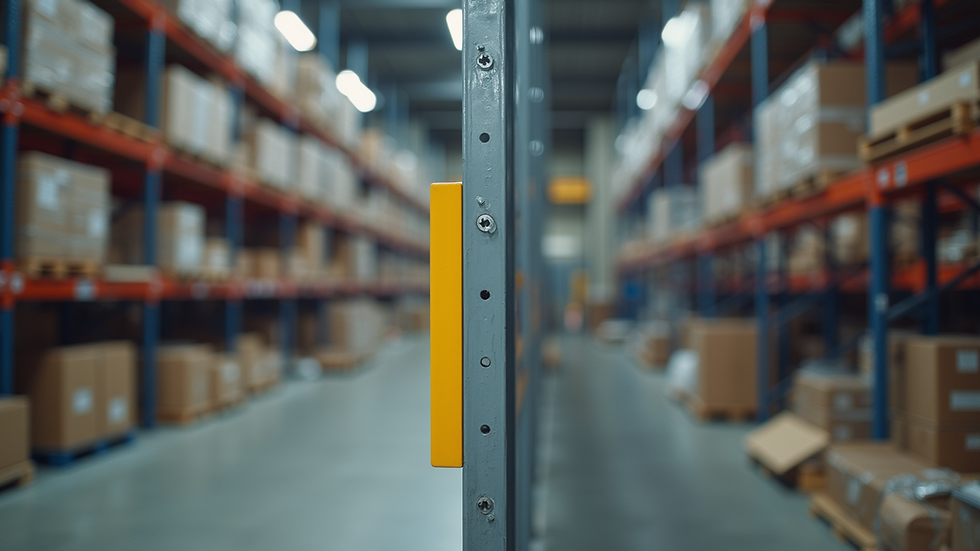
Use Safety Accessories: Install rack guards, column protectors, and netting to prevent damage from forklifts and falling objects.
By following these tips, you create a safer warehouse environment and extend the lifespan of your storage racks.

Understanding the Importance of Rack Safety
Rack safety is more than just a compliance requirement; it is a critical component of warehouse management. When racks are damaged or improperly used, the consequences can be severe, including product loss, injury, and operational downtime. I have observed that companies prioritizing rack safety experience fewer accidents and smoother logistics operations.
One practical example is the use of rack safety inspections after any forklift impact. Even minor collisions can weaken rack structures. Prompt repairs and reinforcement prevent small issues from escalating into major hazards. Additionally, maintaining clear signage about load capacities and safety protocols helps keep everyone informed and vigilant.
What is the Safety Factor of a Rack?
The safety factor of a rack is a measure of how much stronger the rack is compared to the maximum expected load. It is a critical concept in rack design and usage. Typically, racks are designed with a safety factor ranging from 1.5 to 2.5. This means the rack can hold 1.5 to 2.5 times the maximum rated load without failure.
Understanding this factor helps in:
Preventing Overloading: Knowing the safety factor ensures you do not exceed the rack’s capacity.
Designing Storage Systems: Engineers use the safety factor to select appropriate materials and construction methods.
Planning Maintenance: Racks with a lower safety factor may require more frequent inspections and reinforcements.
For example, if a rack has a rated capacity of 2,000 pounds and a safety factor of 2, it can theoretically hold up to 4,000 pounds before failure. However, it is essential to never approach this limit in daily operations.
Practical Steps to Maintain Rack Integrity
Maintaining rack integrity involves a combination of preventive measures and corrective actions. Here are some actionable recommendations I have found effective:
Document Inspections: Keep detailed records of all rack inspections and repairs. This documentation helps track wear and identify recurring issues.
Repair Immediately: Address any damage as soon as it is detected. Delaying repairs can compromise the entire rack system.
Use Quality Components: Replace damaged parts with manufacturer-approved components to maintain structural integrity.
Control Environmental Factors: Protect racks from moisture, chemicals, and extreme temperatures that can weaken materials.
Implement Load Management: Use pallet stops and load backstops to prevent pallets from shifting or falling.
By integrating these steps into your warehouse routine, you ensure that your racks remain safe and reliable over time.
Encouraging a Culture of Safety and Responsibility
Safety is a shared responsibility. Encouraging a culture where every team member feels accountable for rack safety can make a significant difference. I recommend:
Regular Safety Meetings: Discuss rack safety topics and recent incidents to keep awareness high.
Empower Employees: Encourage workers to report any rack damage or unsafe conditions immediately.
Provide Clear Guidelines: Post visible safety instructions and load limits near storage areas.
Recognize Safe Practices: Reward teams or individuals who consistently follow safety protocols.
This approach not only reduces accidents but also fosters a positive work environment where safety is valued.
Moving Forward with Confidence in Your Storage Solutions
Maintaining secure storage is an ongoing process that requires attention, knowledge, and commitment. By applying these rack safety tips, you can protect your assets, ensure employee well-being, and optimize your warehouse operations. Remember, investing time and resources into rack maintenance today will save you from costly disruptions tomorrow.
If you want to learn more about how to enhance your warehouse safety, consider exploring additional resources on rack safety. Together, we can build safer, more efficient storage solutions that support your business growth.
Stay safe and organized!


Comments